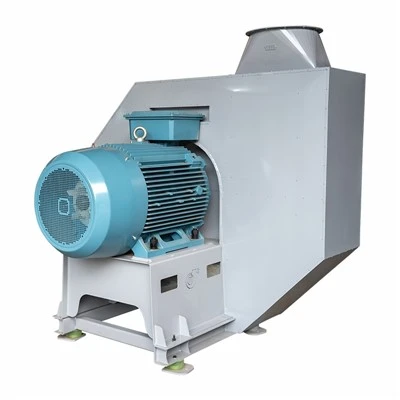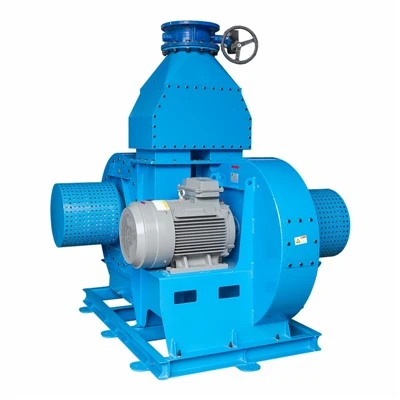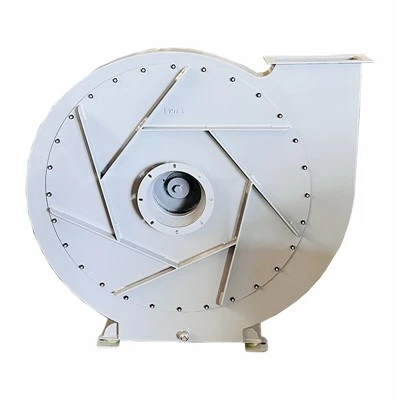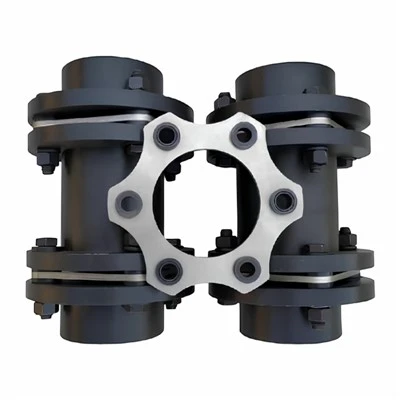


Centrifugal Fan Sealing – Reliable Shaft Seal for Gas-Tight Fan Operation
Component Overview
One of the possible leak points is where the fan shaft exits from the housing. This is the shaft entry path where most containment losses or leaks occur. Especially those fans who are handling hot gases, dust or hazardous vapors. The process gases within can seep out or dust and moisture from outside can get in if the shaft is not sealed properly. Which not only affects bearing life but also is a genuine safety and environmental compliance concern that starts long before any reduced airflow is detected.
A Centrifugal Fan Sealing solution works at this shaft entry point, using a proven sealing design according to the application. The non-contact labyrinth seal blocks contaminants and retains lubrication through a maze-like internal pathway without touching the shaft. Since there is no friction with the shaft, there is no wear, no additional drag on the motor, and no hassle of seal replacement throughout the entire lifecycle. V-ring seals are a fairly simple and cost-effective choice for standard-duty fans. It is essentially a flexible rubber lip that sits directly on the shaft and provides excellent protection against external dirt and moisture under normal operating conditions. For fans handling hot process gases or requiring a 100% gas-tight boundary, a purgeable shaft seal with a nitrogen or inert-gas purge line is used. This creates a constant pressure on the shaft outwards, which physically prevents the internal gas stream from escaping. The exact type of Centrifugal Fan Sealing to select for a fan depends on four factors: the type of process media, temperature, contamination level and whether a completely 'gas-tight' boundary is required for that particular application.

Primary Industrial Uses












Compatible With
Power plant and boiler draft fans.
01
Petrochemical and process gas handling.
02
Cement and mineral processing.
03
Pulp and paper mill exhaust systems.
04
Waste-to-energy and combustion air systems.
05
Available Configurations
- Non-contact labyrinth seal (standard/heavy-duty).
- V-ring seal (standard-duty, cost-effective).
- Purgeable gas-tight seal with inert-gas purge line.
- Material options for high-temperature or corrosive media.
- Custom seal sizing per shaft diameter.
To order: Contact us with your shaft diameter, process gas/media type, operating temperature, and required containment level (standard vs. fully gas-tight), so the correct seal type can be selected.












Hot Tags: centrifugal fan sealing, China centrifugal fan sealing manufacturers, suppliers, factory