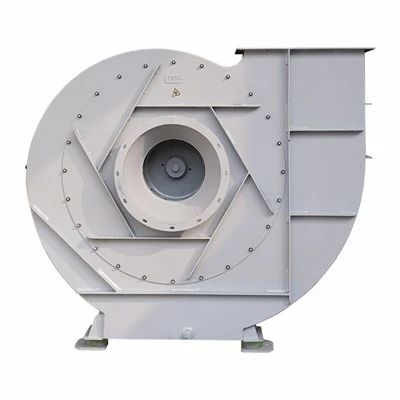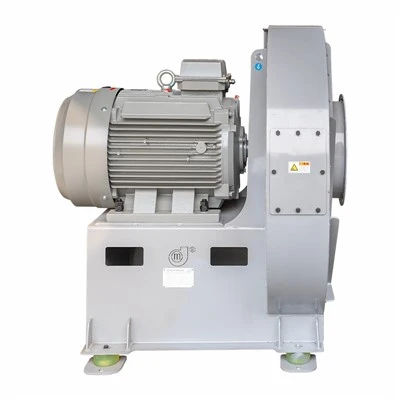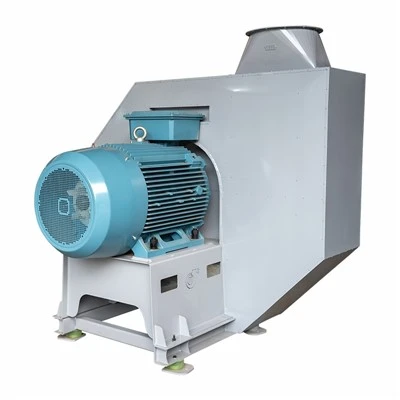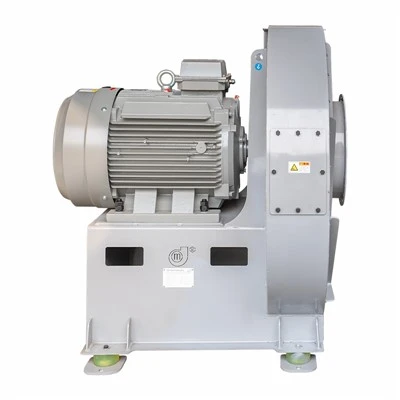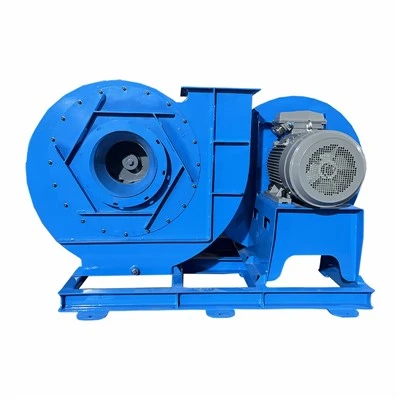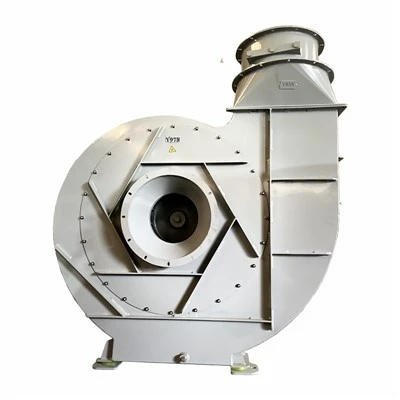

The shaft-end seal of an industrial centrifugal fan is a device designed to ensure the fan's normal operation by preventing gas within the seal assembly from entering the shaft, bearings, or fan casing, and by preventing leakage between the shaft and the casing. It comprises three main components: The sealing system, the coupling, and the bearings. Common methods for sealing centrifugal fan shafts include the use of seal ring seats (also known as elastic washers), gland packing, and mechanical seals.
The shaft seal assembly primarily consists of elastic elements and auxiliary components. A specific amount of pressure is applied to both ends of the elastic element, ensuring the pressure is distributed evenly across it. When the spring deforms, the resulting elastic force is transmitted to the bearing housing, bringing the housing into tight contact with the impeller to form a seal. Additionally, an appropriate amount of lubricating oil is introduced into the seal assembly to lubricate the friction surfaces.
The shaft sealing device consists of two parts: the mechanical assembly (comprising the shaft end and journal) and auxiliary components (including the gland, mechanical seal, coupling, bearings, and support structure). The mechanical assembly is primarily composed of a spring seat, a spring, and an adjustment screw. The spring seat is securely connected to the shaft, with the spring providing direct contact against the shaft. As the impeller rotates, centrifugal force causes the gland to be gradually compressed; when rotation stops, the gland automatically relaxes in response to the pressure from the spring seat. An adjustment screw mounted on the main shaft allows for the regulation of sealing pressure and clearance.
Mechanical components used in the shaft seal include the gland, fastening screws (or nuts), balancing devices, bearings, and support structures. These components ensure reliable seal operation, preventing leakage at the shaft end that could otherwise lead to excessive fan vibration and noise.