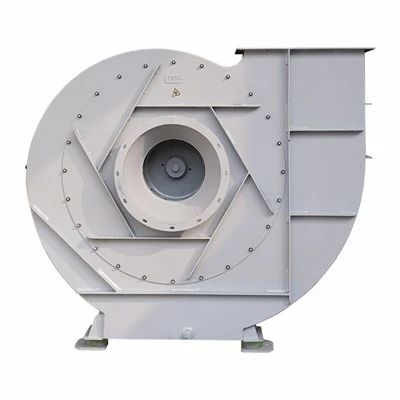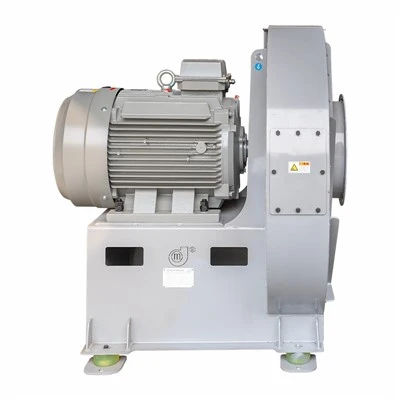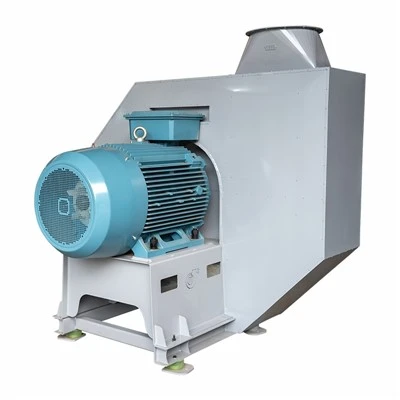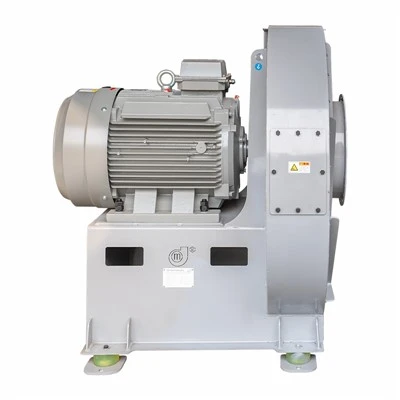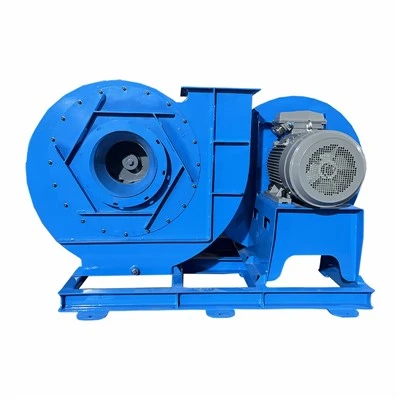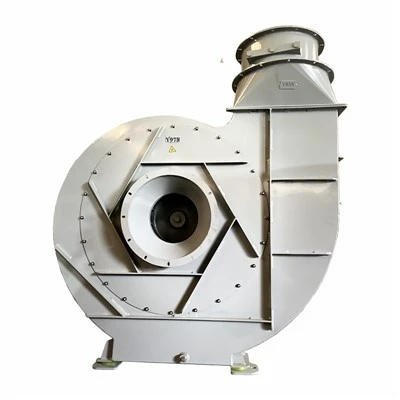

Wear in the drive components of centrifugal fans-such as at the bearing seats and bearing housings of exhaust fans or the bearing journals of blower shafts-is a common equipment issue.
Traditional repair methods for these faults include weld overlay, thermal spraying, and brush plating, yet all have certain drawbacks. Thermal stress from high-temperature welding cannot be fully eliminated, often causing material damage that leads to component warping or fracture. Meanwhile, brush plating is limited by coating thickness and prone to peeling. Furthermore, as both methods involve repairing metal with metal, they fail to alter the "hard-on-hard" contact relationship; consequently, under the combined influence of various forces, renewed wear remains a risk. To address these issues, Western countries increasingly utilize repair methods based on polymer composite materials-most notably the American Fusilan (FSL) technology system. This system offers superior adhesion, excellent compressive strength, and other comprehensive performance benefits, while eliminating the need for disassembly or machining.
This approach avoids the thermal stress associated with welding and imposes no limits on repair thickness. Additionally, the material possesses a degree of compliance-a property lacking in metals-that allows it to absorb operational shock and vibration, thereby preventing future wear. As a result, it is gradually replacing traditional methods for repairing centrifugal fan faults in the domestic market.