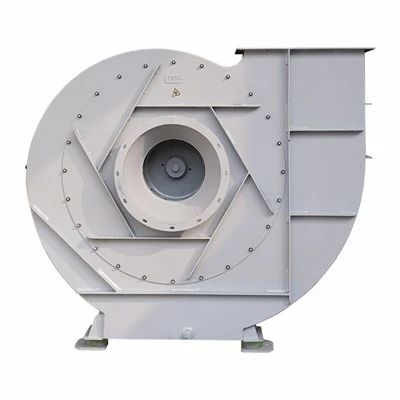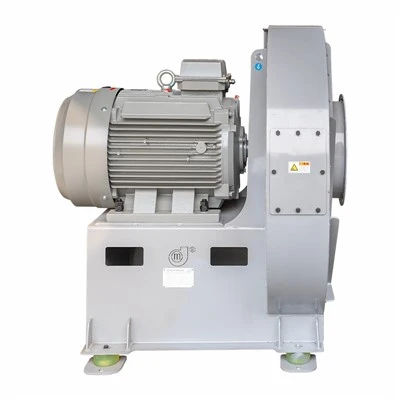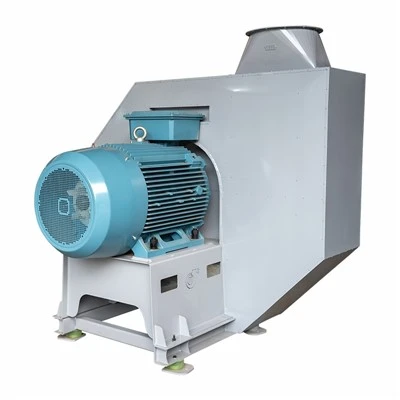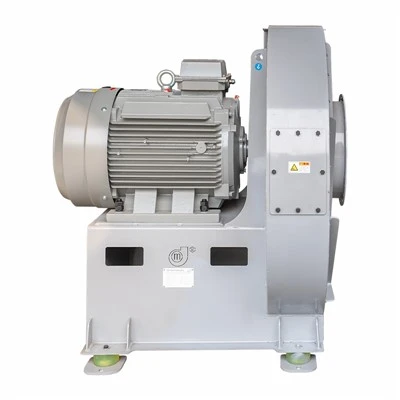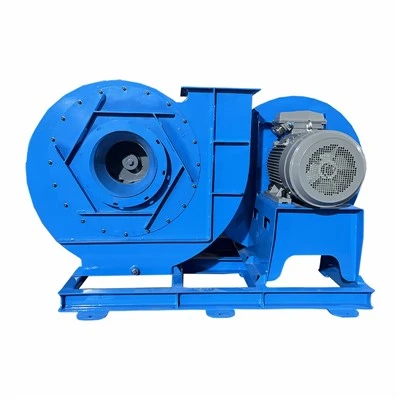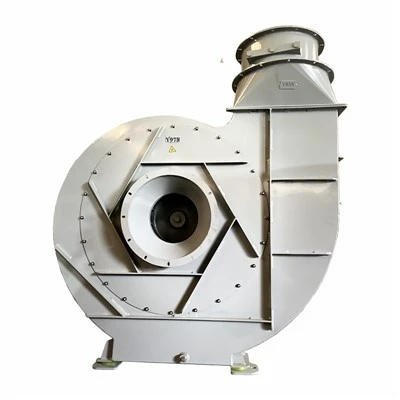

Before installation, clean the concrete foundation surface and check its levelness; then, place the base onto the foundation and use shims to level the fan base.
Select a well-ventilated installation site, avoiding overly enclosed environments and prolonged exposure to highly corrosive conditions. The site should also be away from major vibration sources and allow easy access for routine inspection, maintenance, and repair.
Ensure the foundation is solid and level during installation, and securely fasten the fan using dedicated anchor bolts, taking care to apply anti-corrosion measures to the bolts and connection points. Mount the motor securely with adequate ventilation, correctly connect the drive mechanism, and ensure precise alignment between the fan shaft and motor shaft to prevent operational imbalance. Electrical connections must comply with explosion-proof standards; cables and junction boxes require explosion-proof certification and reliable grounding, while explosion-proof electrical enclosures should be installed in a safe zone. Verify that the fan impeller's rotation direction matches design specifications and conduct a balance test after installation. Inspect the integrity of the anti-corrosion coating, promptly repair any scratches, and ensure all joints and seals are intact to prevent the ingress of corrosive media.
During commissioning, first conduct a no-load test run to check for smooth operation and the absence of abnormal noise or vibration. Subsequently, perform a load test run to ensure stable operation at the rated load. Measure and record parameters such as current, voltage, airflow, and air pressure to verify compliance with design specifications, and check the security of electrical connections.
Following installation and commissioning, adhere to maintenance protocols regarding regular cleaning, lubrication, and inspection.