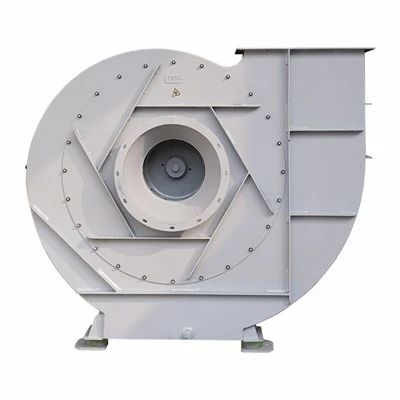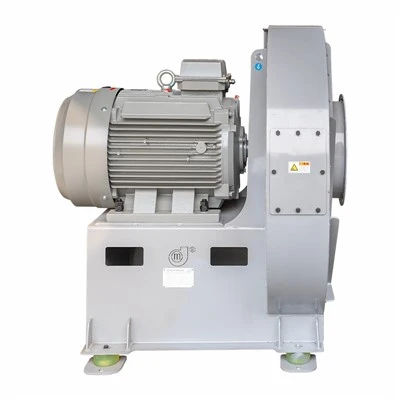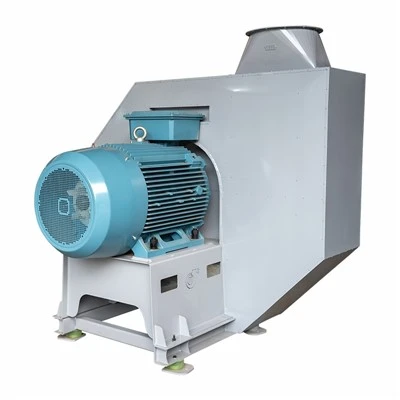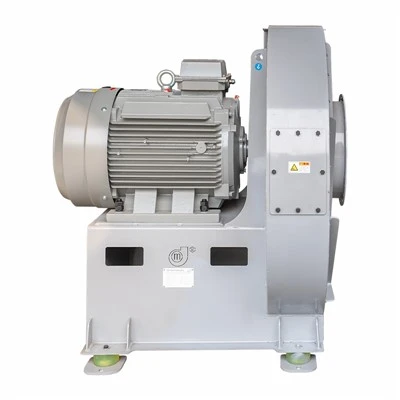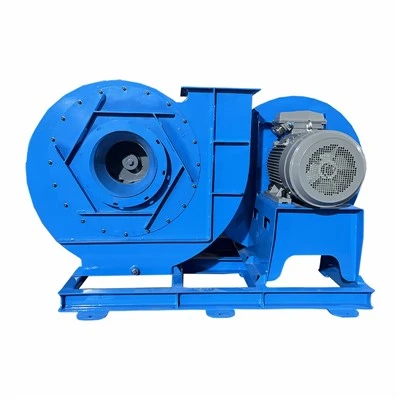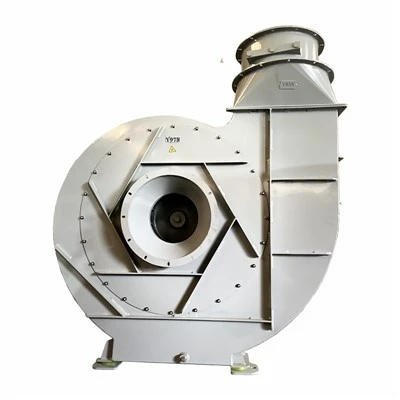

"High-temperature fan" is a general term for a category of fans designed to transport high-temperature gases-specifically those that are mildly corrosive and non-spontaneously combustible-at operating temperatures up to 1000°C. The dust content of the medium should be less than 150 mg/m³. These fans are widely used in industries such as petrochemicals, metallurgy and steel, building materials and cement, and environmental protection.
They are classified into four temperature-resistance grades: Grade I (80°C–300°C), Grade II (300°C–450°C), Grade III (450°C–600°C), and Grade IV (600°C–1000°C). During the design and selection process, factors such as changes in gas density at high temperatures, the thermal expansion coefficients of fan components, and the selection of heat-resistant materials must be fully considered. Different materials offer varying levels of heat resistance, categorized as follows: Fiberglass (FRP): ≤100°C; Carbon steel (Q390, Q460, HG785): ≤500°C; Stainless steel (304, 316L, 310S): ≤1000°C. In addition to heat resistance, the corrosive nature of high-temperature flue gases must be taken into account, necessitating the selection of high-quality materials that are both heat-resistant and corrosion-resistant.