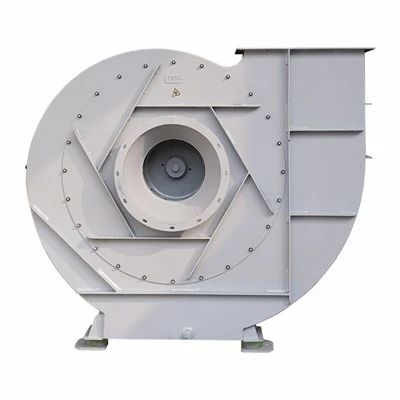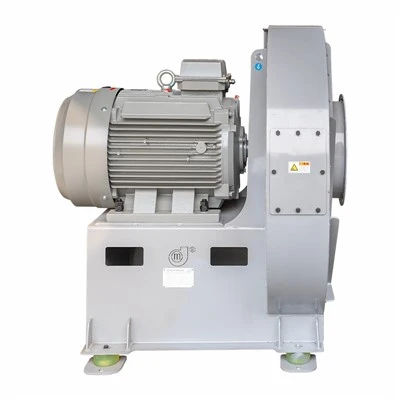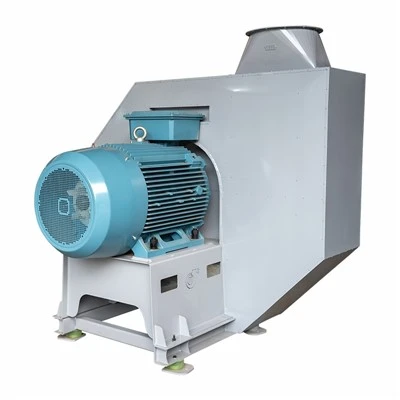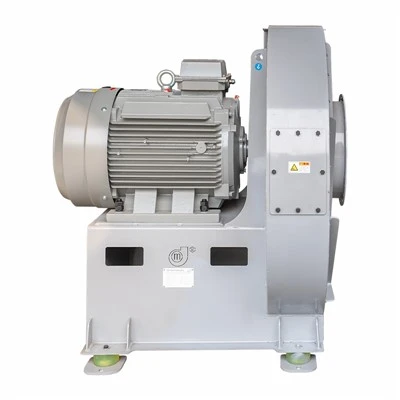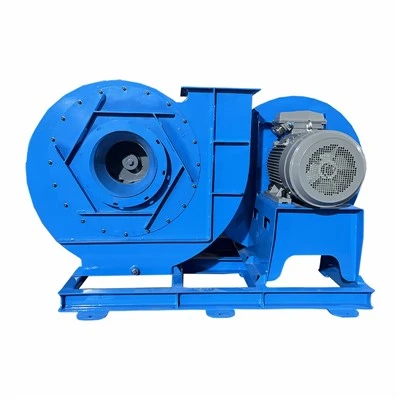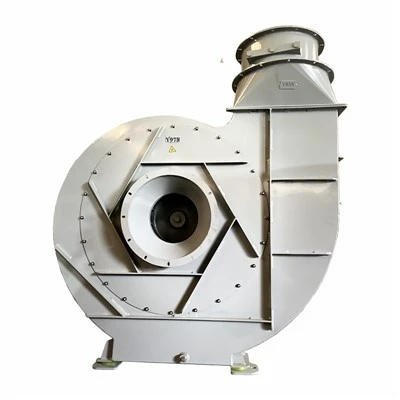

The choice of materials directly impacts the quality and service life of centrifugal fans, as different materials are required to suit various operating conditions and manufacturing processes. Key raw materials commonly used for centrifugal fans include carbon steel, stainless steel, fiberglass-reinforced plastic (FRP), plastics (such as PP), and other polymer materials.
Carbon steel is a common material for manufacturing standard centrifugal fans; it is easy to produce and cost-effective, making it suitable for fans operating under normal temperatures and handling clean, non-corrosive gases.
Stainless steel offers excellent performance and corrosion resistance. Available in various grades-including austenitic, martensitic, ferritic, and duplex steels-it is a primary material for manufacturing corrosion-resistant and high-temperature centrifugal fans.
Fiberglass-reinforced plastic (FRP) is resistant to corrosion from various acids, alkalis, and metal salts; FRP centrifugal fans are widely used in the chemical manufacturing industry to handle corrosive gases.
Plastics (such as PP) have lower compressive strength than FRP, limiting their scope of application; however, their specific properties make them suitable for specialized uses, such as cooling fans. Other materials-including aluminum alloys and polymer linings (such as plastic or fiberglass)-play a crucial role in specialized industries, even though they are less commonly used in general centrifugal fan applications.
Customers should select the appropriate material based on actual operating conditions and requirements, such as gas properties, temperature, and pressure.